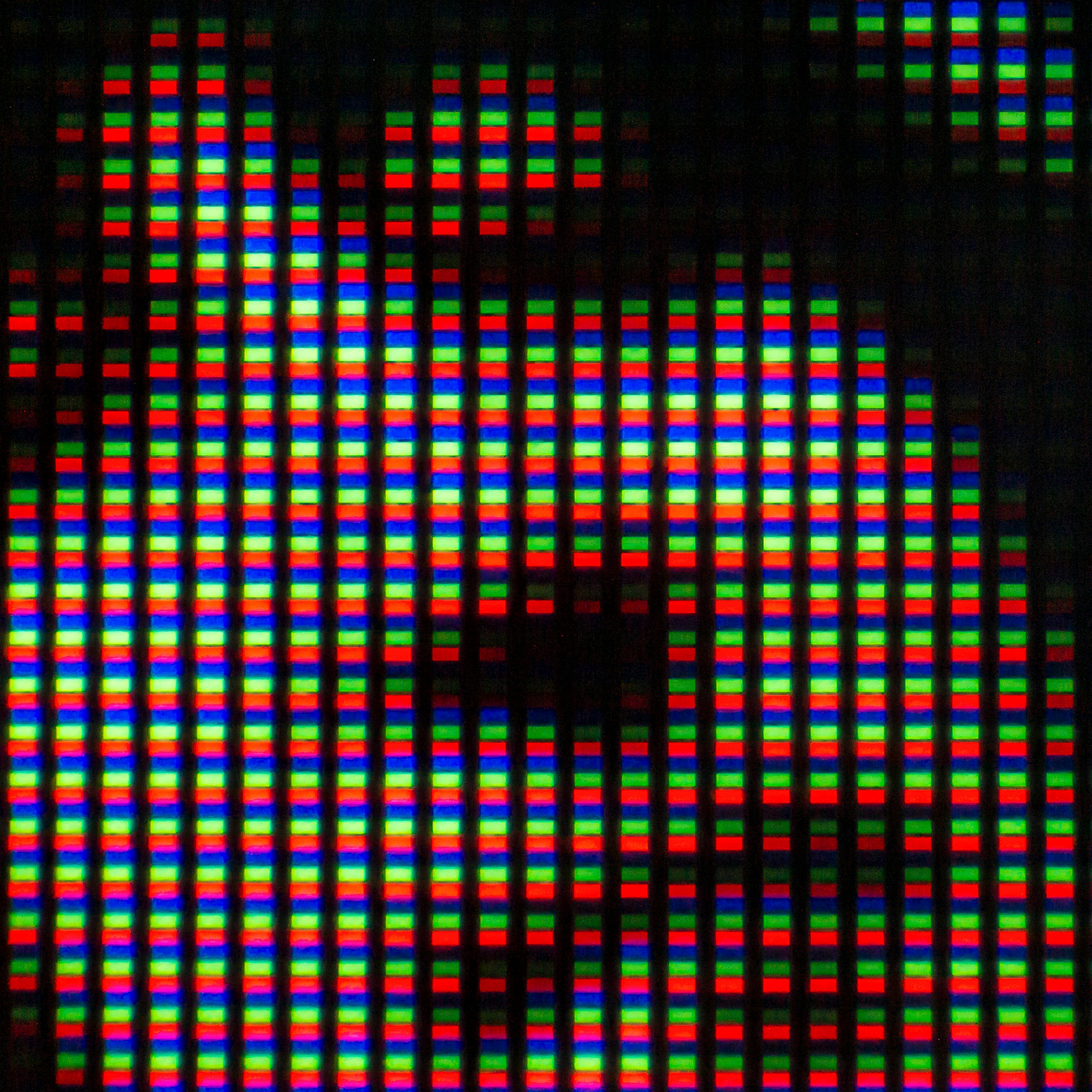
A deep comparison of MicroLED and OLED for commercial applications. Brightness, lifespan, burn-in resistance, and total cost of ownership.
The Display Technology Landscape
As we enter 2025, the battle between MicroLED and OLED technologies continues to shape the commercial display market. Both technologies offer exceptional image quality, but their differences make them suited for different applications.
Brightness Performance
MicroLED displays can achieve brightness levels exceeding 5,000 nits, making them ideal for high-ambient-light environments like retail storefronts and outdoor installations. OLED panels typically max out around 1,000-1,500 nits, which limits their use in bright environments.
Lifespan and Burn-in
One of MicroLED's strongest advantages is its immunity to burn-in. Unlike OLED, which can suffer from image retention when displaying static content for extended periods, MicroLED maintains consistent performance regardless of content type.
Cost Considerations
OLED remains more cost-effective for smaller displays and applications where extreme brightness isn't required. However, MicroLED's total cost of ownership over a 5-7 year period often makes it the smarter investment for 24/7 commercial applications.
Our Recommendation
For GCC installations where high brightness and durability are paramount, MicroLED is increasingly the technology of choice. Contact our team for a detailed analysis of your specific requirements.
What does this article cover: "MicroLED vs OLED: Which Technology Wins in 2025?"?
A deep comparison of MicroLED and OLED for commercial applications. Brightness, lifespan, burn-in resistance, and total cost of ownership.
Source: Brightluxx Blog - Technical Team