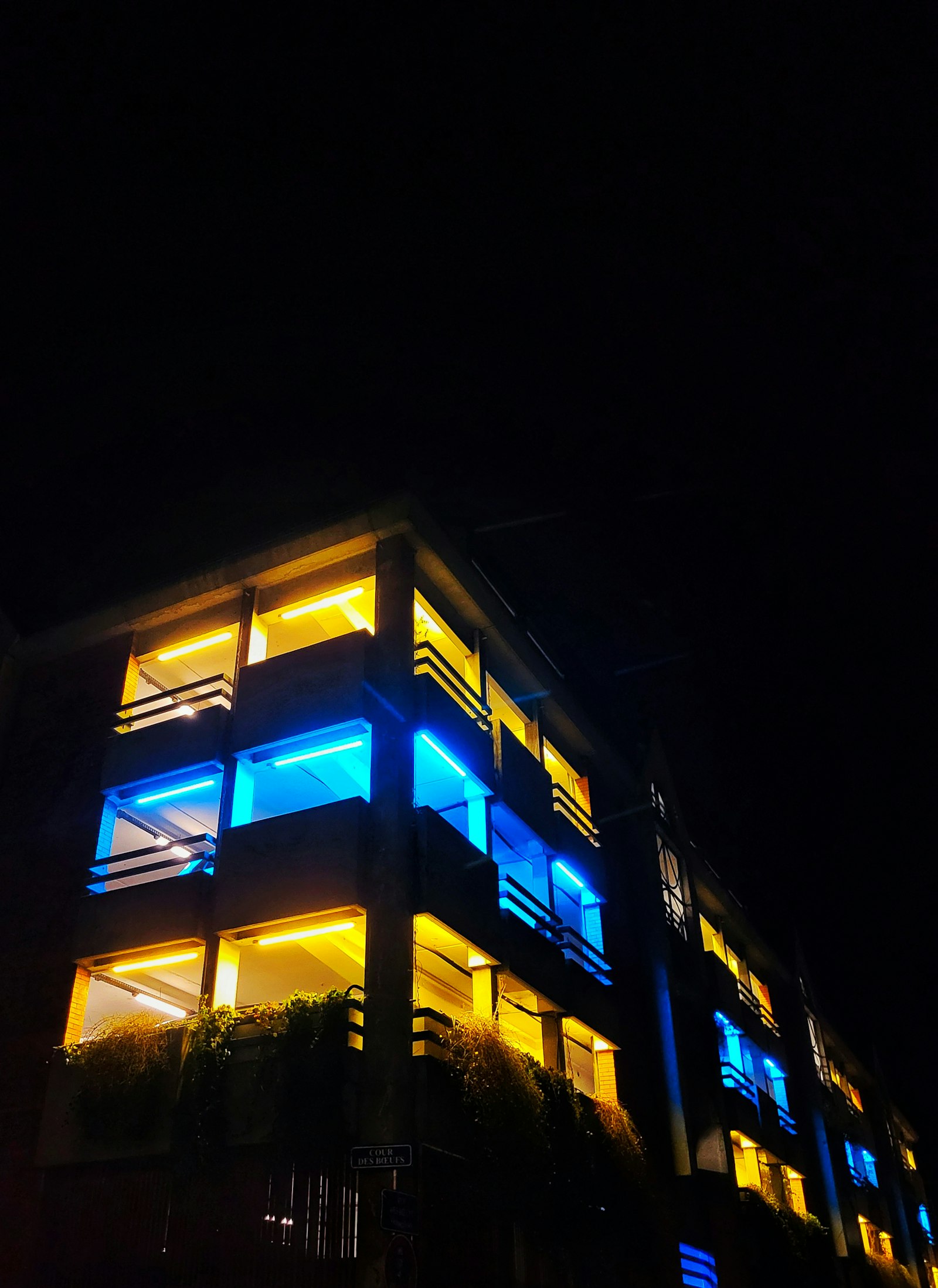
Media Facades
LED-Integrated Building Skins for UAE & GCC
Transform entire building exteriors into dynamic digital canvases. Media facades integrate LED technology directly into architectural cladding, creating landmark destinations that captivate audiences day and night across Dubai, Abu Dhabi, Riyadh, and the wider GCC.
What Are Media Facades?
A media facade is an LED display system integrated into the external skin of a building. Unlike traditional billboard screens, media facades become part of the architecture itself — using transparent mesh, stick LED, or embedded panel systems that maintain the building's aesthetic while transforming it into a massive, programmable visual surface.
In the GCC, media facades are becoming a standard specification for malls, entertainment districts, and mixed-use developments. The technology allows buildings to communicate — displaying brand content, event promotions, cultural celebrations, and generative art at architectural scale.
Technical Specifications
Applications
Shopping Malls & Retail Destinations
Turn mall exteriors into revenue-generating advertising platforms and brand showcases visible from major highways.
Entertainment Districts
Create immersive streetscapes with synchronized media facades across multiple buildings, like Las Vegas Boulevard or Dubai Walk.
Corporate Headquarters
Landmark corporate identity through dynamic building-scale branding that adapts to time of day, season, and events.
Cultural & Government Buildings
National celebrations, cultural storytelling, and city-level light festivals with building-integrated displays.
Hospitality & Resorts
Transform hotel exteriors into destination experiences — architectural light shows that attract guests and social media attention.
Stadium & Arena Exteriors
Real-time event graphics, sponsor branding, and crowd engagement displayed across stadium cladding.
Project Gallery
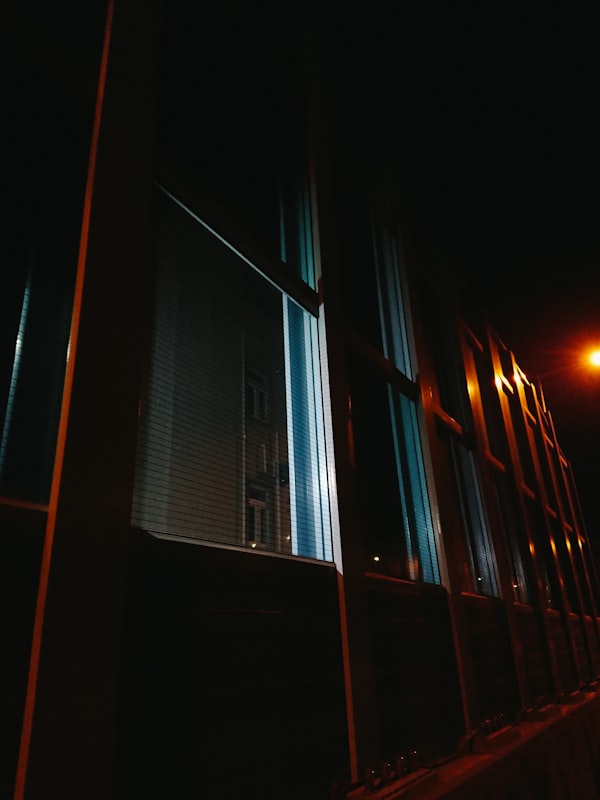
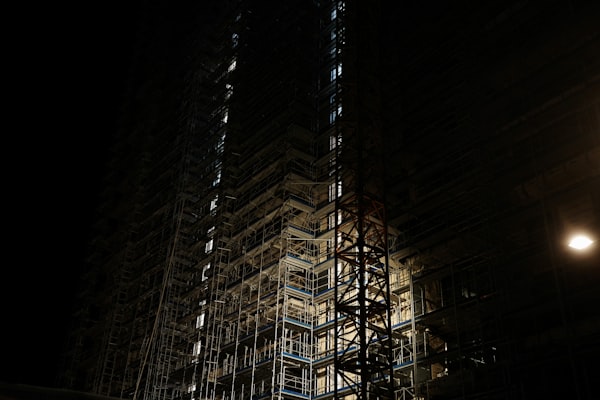
Media Facades in the GCC
The GCC region is the fastest-growing market for media facades globally. Dubai's commitment to becoming a "smart city" and Saudi Arabia's NEOM, Diriyah Gate, and Red Sea projects are specifying building-integrated LED at unprecedented scale.
Key drivers include Expo 2020 legacy projects, Saudi Vision 2030 entertainment destinations, and the region's cultural emphasis on visual spectacle. Consultants specifying for GCC projects need partners who understand both the LED technology and the extreme environmental conditions — high UV, sand, humidity, and wind loads.
Design Considerations
Structural Integration
Media facades must be engineered alongside the building curtain wall. Wind load calculations, mounting systems, and maintenance access are critical at the design stage.
Content Resolution vs. Viewing Distance
A P25 mesh is cost-effective for highway-distance viewing, while a P3.9 is needed for pedestrian-level detail. The right pitch depends on the primary audience position.
Daylight vs. Night Performance
Brightness must exceed 5,000 nits for daylight visibility. Night-time dimming prevents light pollution and extends LED lifespan.
Power & Heat Management
Large facades consume significant power. Smart dimming, ambient light sensors, and thermal management are essential for GCC heat conditions.
Content Production
Building-scale content requires specialized production. Standard 16:9 video won't work on a 120m x 30m facade. Content must be designed for the exact pixel map.
Regulatory Compliance
Municipality approvals in Dubai, Abu Dhabi, and Riyadh have specific regulations on facade brightness, content type, and operating hours.
Frequently Asked Questions
Ready to Specify Media Facades?
Get a budgetary estimate or book a free design assist call with our engineering team.